Keep Ahead With New Paint Trends: Mixing Techniques for Modern Interiors

The Increase of Shade Gradients in Interior Decoration
As designers increasingly look for cutting-edge means to improve spaces, the increase of color gradients in interior decoration has garnered substantial interest. This method, identified by the smooth shift in between 2 or even more colors, enables a dynamic aesthetic impact that can transform an average room into a dynamic setting. Color gradients can stimulate emotions, influence perceptions of area, and develop centerpieces, making them a versatile choice for numerous layout styles.
The application of gradients extends beyond walls; they can be properly used in furnishings, textiles, and accessories. Designers often explore varying tones to accomplish depth and intrigue, interesting a series of appearances from minimalist to diverse. In enhancement, the versatility of slopes allows their usage in both business and domestic settings, accommodating diverse clientele. As patterns develop, using shade gradients indicates a change towards more meaningful and customized interior rooms, showing individual preferences and way of livings.
Embracing Ombre Strategies for a Dynamic Look
Ombre techniques have become a captivating selection for those wanting to add depth and activity to contemporary insides. This slope effect shifts efficiently from one color to another, creating a visually striking prime focus in any area. Designers value ombre for its versatility; it can be related to wall surfaces, furnishings, and even ornamental accents, enabling unique expressions of design.
The strategy works especially well with soft colors, providing a serene ambiance, while strong shades can stimulate an area. Property owners can trying out various shade schemes, selecting contrasting tones for a remarkable influence or unified tones for a subtle effect. The application of ombre is not limited to a solitary wall surface; it can expand across a space, enhancing the understanding of space and light.
As a contemporary trend, ombre strategies accommodate varied tastes, allowing people to personalize their interiors and welcome creativity in their layout approach. corpus christi paint store.
Textured Wall Surfaces: Layering Paint for Deepness and Rate of interest
Textured walls can greatly enhance the visual appeal of modern-day interiors by adding depth and interest. Techniques for producing structure, thoughtful color mixes, and the right tools for layering are vital elements in accomplishing this effect. Exploring these elements enables a individualized and dynamic method to interior style.
Methods for Texture Creation
Producing aesthetic passion in interior rooms typically depends upon the artistic application of texture. Different methods can be employed to achieve this, such as sponging, cloth rolling, and stippling. Sponging entails making use of a wet sponge to apply a 2nd shade over a skim coat, producing a soft, varicolored result. Cloth rolling, on the other hand, uses a rolled rag to apply paint, causing an extra vibrant structure. Stippling utilizes a rigid brush or tool to dab paint onto the surface, developing a special pattern. Furthermore, layering different surfaces, such as matte and glossy, can boost deepness. These methods not just offer visual charm however also contribute to the total ambiance of modern-day interiors, urging a tactile experience.
Shade Combinations for Effect
Layering paint not just improves appearance yet likewise opens up a world of shade combinations that can considerably influence the mood of an area. By blending complementary tones, designers can produce a harmonious result that welcomes warmth or coolness, depending upon the preferred environment. For instance, rich earth tones coupled with soft pastels can stimulate a serene atmosphere, while vibrant, contrasting colors can add vibrancy and energy. Furthermore, including metal or shiny surfaces within the layers can present a dynamic aesthetic component, capturing light and enhancing the depth of the shade scheme. Ultimately, thoughtful shade mixes via layering paint supply a possibility to reveal private style while transforming average wall surfaces into captivating focal factors.
Devices for Layering Result
Numerous devices are vital for achieving a successful layering impact in paint applications, which can transform walls into bewitching aesthetic experiences. Rollers and brushes are basic, with varied dimensions enabling different structures and finishes. Specialized tools like sponges and cloths can produce distinct patterns and depth, while combination knives supply precision for even more specified lines. For larger areas, making use of a stippling brush can add a detailed coating. Furthermore, spray weapons can efficiently use several layers for a smooth, also coat. Painters need to additionally take into consideration painter's tape to create clean edges in between layers. By making use of the right tools, one can successfully enhance the aesthetic charm of interiors, making each wall surface an intriguing prime focus.
The Power of Color Blocking in Modern Spaces
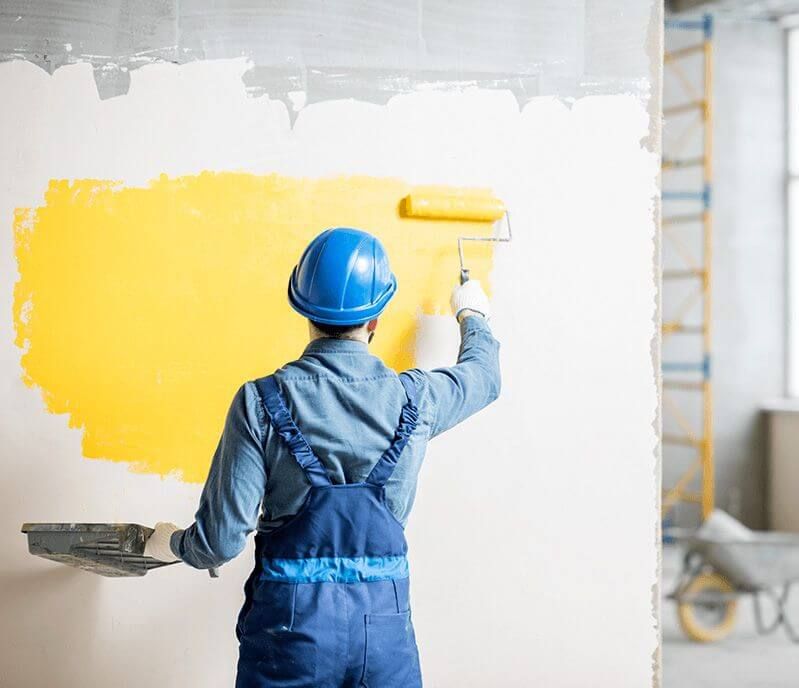
As modern indoor design proceeds to develop, color obstructing becomes an effective technique that can change spaces with strong aesthetic effect. This technique includes the strategic positioning of contrasting shades to create defined zones within a room, enhancing both the aesthetic charm and capability of the area. corpus christi tx paint shop. By using large swathes of color, designers can guide the eye and highlight building elements, causing a vibrant atmosphere
Shade barring is not limited to wall surfaces; it can additionally be related to furniture and style, permitting endless customization. As an example, coupling a vivid hue with a neutral tone can develop a striking prime focus while preserving balance. This method encourages creative thinking, allowing home owners to express their individualities via distinct shade mixes. Inevitably, color blocking functions as an effective means to rejuvenate modern-day interiors, making spaces feel fresh, energised, and aesthetically appealing.
Including Metallics for an Extravagant Finish
Just how can metallics raise the elegance of modern insides? Metallic surfaces act as a striking centerpiece, adding deepness and visual rate of interest to areas. They can change a typical room into an elegant retreat via the refined interaction of light and representation. Designers commonly recommend integrating metallics in accent walls, ceilings, or furnishings to create a luxurious environment without overwhelming the room.
Different metallic shades-- such as gold, silver, and click here bronze-- provide versatility, allowing house owners to personalize their visual. A soft gold can pass on heat, while a sleek silver can provide a contemporary touch. When matched with neutral tones, metallics enhance the overall style, supplying an advanced contrast that attracts the eye.
Including metallic paint right into trim or moldings can also boost building details, producing a sleek surface. Ultimately, the critical use metallics can instill modern interiors with glamour and improvement, making them really enchanting.
Imaginative Use Stencils for Unique Patterns
Transforming wall surfaces with stencils can infuse modern insides with distinct personality and style. This artistic technique permits homeowners and designers to create customized patterns that show personal aesthetics. Patterns can range from complex geometric styles to wayward concepts, allowing a vast range of expressions. By selecting different colors, stencils can raise a space's aesthetic charm and act as focal points without overwhelming the space.
Stencils are functional; they can be applied to various surfaces, including walls, furniture, and even ceilings. This versatility makes stenciling an optimal choice for DIY enthusiasts aiming to improve their home economically. Additionally, the ease of application and removal allows for experimentation, making it possible for individuals to refresh their design with very little effort. Inevitably, imaginative use patterns not just transforms regular surface areas but additionally gives a possibility for self-expression, making them a trending option in modern indoor layout.
Blending Matte and Glossy Surfaces for Contrast
The interplay of matte and shiny surfaces can produce a striking aesthetic dynamic in modern interiors. Developers usually utilize this contrast to boost building functions and define rooms. Matte finishes, with their soft, non-reflective top quality, can develop a sense of heat and affection, making them optimal for wall surfaces and bigger surface areas. On the other hand, shiny surfaces reflect light, adding vibrancy and deepness, making them ideal for accents such as trim, moldings, or furnishings.
The mix of these appearances can assist the eye and emphasize prime focus within a room. For instance, pairing a matte-painted wall surface with shiny kitchen cabinetry can develop an advanced balance. Additionally, the cautious application of both coatings can stimulate different state of minds while improving the general aesthetic. As house owners increasingly look for individualized spaces, mixing matte and glossy finishes uses a flexible technique to accomplishing modern elegance and aesthetic interest in indoor design.
Frequently Asked Inquiries
What Tools Are Best for Blending Paint Strategies?
A selection of tools are excellent for blending paint techniques, consisting of foam rollers, brushes with soft bristles, sponge applicators, and airbrushes. Each tool provides distinct results, boosting the blending procedure for different imaginative applications.
Exactly How Can I Repair Blending Mistakes?
To fix mixing mistakes, one must gently sand the affected location, use a guide if required, and after that meticulously reapply paint utilizing a soft brush or sponge to achieve a smooth shift and bring back the preferred result.
Exist Particular Paint Brands Recommended for Blending?
Several paint brand names are recommended for mixing, including Benjamin Moore, Sherwin-Williams, and Behr. These brands provide top quality surfaces and a wide variety of colors that facilitate smooth shifts and effective blending methods in numerous indoor projects.
Can I Blend Paint Without Professional Assistance?
Yes, mixing paint without expert aid is feasible. With method and the right tools, people can accomplish desirable impacts. Numerous online tutorials and guides can aid in grasping mixing strategies for individual jobs.
The Length Of Time Does Blended Paint Last on Walls?
Mixed paint can last anywhere from 5 to 10 years on wall surfaces, relying on aspects such as the quality of paint used, surface area preparation, and ecological conditions. Routine upkeep usually boosts durability and look.
As developers progressively seek innovative means to improve areas, the increase of shade slopes in interior design has garnered substantial focus. The method functions particularly well with soft tones, offering a serene ambiance, while bold colors can stimulate an area. Techniques for developing appearance, thoughtful shade mixes, and the right devices for layering are important components in attaining this effect. Layering paint not only enhances texture however likewise opens up a globe of color mixes that can dramatically influence the state of mind of a room. As contemporary indoor design proceeds to advance, shade obstructing emerges as an effective method that can transform spaces with vibrant visual impact.